


























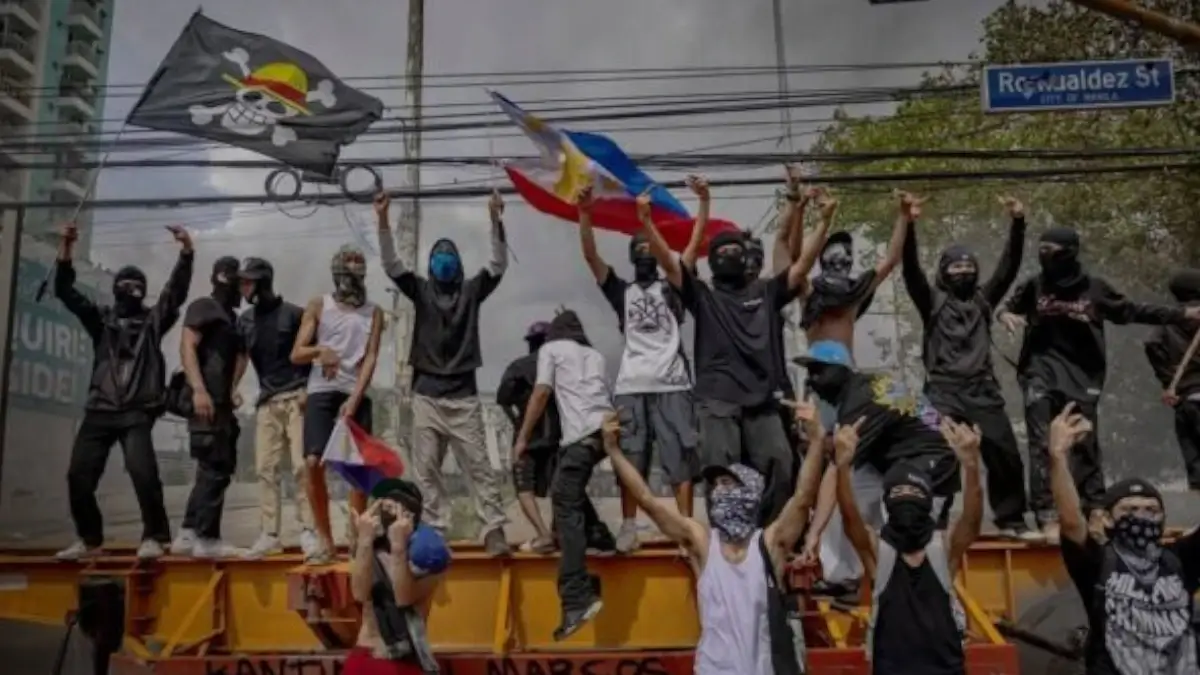
1) Hi, let me start by asking about you first. Tell me a bit about yourself. How long have you been involved in the anarchist movement? How did you learn about the idea of anarchism, and how did your involvement begin?
Hello there, my name is Cris, a precarious worker living in an urban-poor neighborhood, a co-founder of Etniko Bandido Infoshop & Community Resource
Center, a decolonized anti-authoritarian autonomous space located in Manila, so-called Philippines. We are running this space since 2010, aside from this I am involved in Local Autonomous Network (LAN), a loose network of autonomous activist, appropriate technology designer, artist, musician, academic and some individuals in punks/hc.
We are also involved in other ecological campaign like anti-mining, anti-seabed quarry, antidam, large scale destructive renewable energy project and against reclamation in Manila Bay.
Since 2003, I been involved in anarchist initiatives such as Food Not Bombs, guerilla gardening, organizing DIY shows and running our first infoshop that we called Pinagkaisahan Kolektiba. The first thing I heard this anarchism is from a childhood friend who were introduce a discussion about it in a punk show that we organized in 2003, then from that moment I felt where I belong.
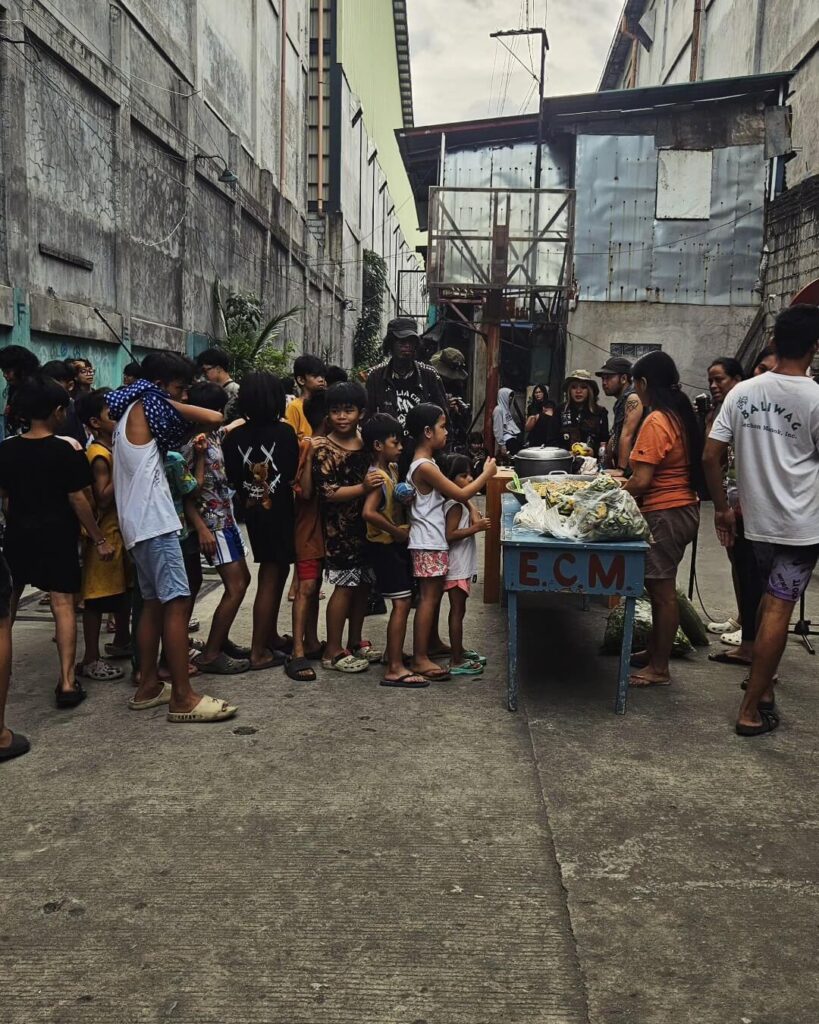
2) Please tell me about the anarchist movement in the Philippines. The last time we met, you mentioned that initiatives like Food Not Bombs and various anarchist groups are active in many cities across the Philippines.
Some will also have other stories, but this is based on my experience and what I
see, anarchist influence was heavily came in the punk subculture in the early 90’s,
because of the access in western music the anarchist literature in the form of zines and magazine reaches Philippines and give way to learn about The Food Not Bombs, ecoanarchism, vegetarianism, and anti-civilization.
Anarcho-punk at that time, are hitchhiking and travelling in different parts of the archipelago and share this idea. Then from there, they adopt it and initiated it in their own locality particularly the Food Not Bombs activity as this is more practical approach in addressing social injustice as millions of people here are victim of hunger and poverty.
3) From what I’ve read, there are many different events regularly organized by anarchists in Manila itself. Could you tell me more about these events and about anarchist activities in Manila in general?
From this moment where I am part of, we are involved in numerous activities and
events to showcase anarchist values through Mutual Aid initiatives in different
campaigns such as anti-mining and anti-corruption issue.
These past months our organization called Network for Community-Centered Renewable Energy Advocates are busy in partnering with local neighborhood association to share the knowledge and technical skills on renewable energy like solar power, the objective of this is for the community to control and self-managed their own electricity and energy usage.
We are also having a locally led anti-corruption network called Pasig Laban sa Korapsyon which is challenging the local government unit to try for genuine citizen participation in governmental management and auditing as they are promoting transparency and accountability.
Local Autonomous Network also had a partnership with Alyansa Tigil Mina (Alliance Stop Mining) to conduct information-sharing, research, protest organizing and training.
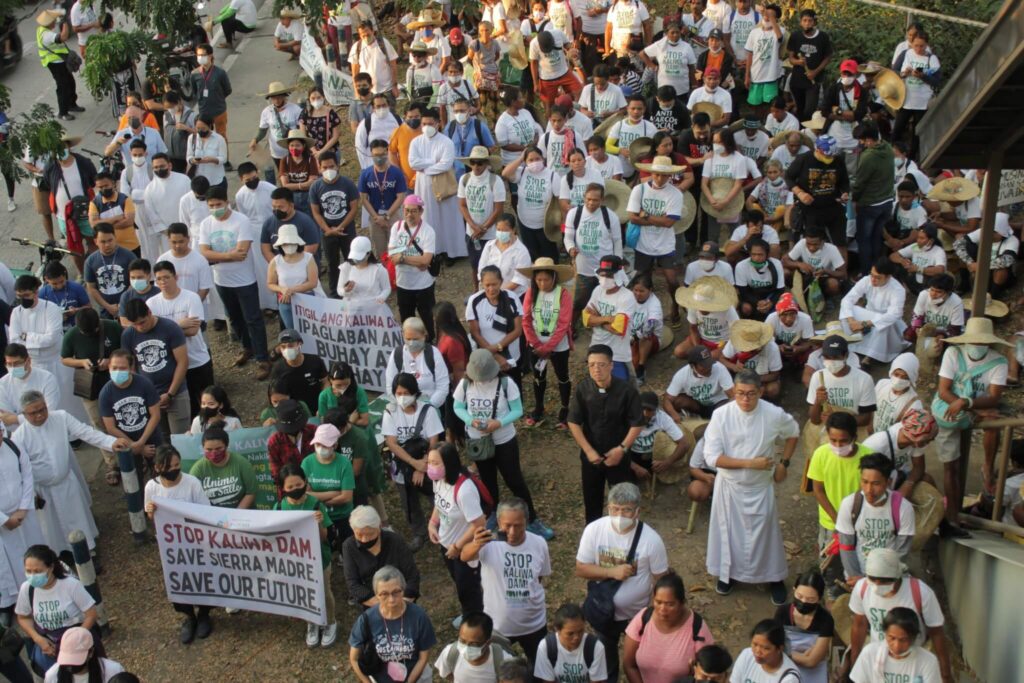
4) I’d like you to talk about the recent corruption scandal in the Philippines. What’s the background of the case? What exactly happened? Why has the public been so deeply affected by it?
Oh ok, corruption is rampant here in the government since they establish the State but this time it was highlighted by the President Marcos Jr itself maybe as part of his legacy that he acknowledges the corruption and named private contractor who are involved in ghost flood control project which are partnering with other government agency such as Department of Public Works and Highways (DPWH) which eventually led to questionable budget insertion in the congress and senate.
The lawmakers, secretaries of such agency and private contractor secretly collaborate to each other to get the tax money in a proposed project that are never
existed nor substandard for them to corrupt millions of pesos.
For the context, Philippines experienced 15 to 20 typhoon a year and flooding became a normal problem in many communities. This is one of the reasons why the people question and protest the government corrupt practices. People thought that the government are spending tax money to protect communities, but they felt betrayed, seeing families of lawmakers, secretaries and contractor living a luxurious life despite of peoples suffering every year.
5) Please tell me about anarchists’ involvement in the current protests taking place in the Philippines. If I remember correctly, you told me that several hundred people connected to the anarchist movement took part in the protests and riots in Manila. Could you also say which other groups, apart from anarchists, form a significant force within the protests, and whether you generally agree with one another?
When this flood control project scandal broke out, on September 1, 2025, we
initially gathered with some diverse people including anarchist in our locality to talked about the issue and what will be our response then we created the Pasig Laban sa Korapyon or Pasig Against Corruption to address that fighting corruption will start in your own locality and it should be decentralized and locally-led, then we agreed that will make a protest rally on September 4 with just around 10 people then other municipality like Baguio City and Marikina initiated their own protest rally, then PLK again staged a protest on September 12 but now we are more than 50 people.
After that, an invitation circulates on social media calling for a massive mobilization in two locations in Metro Manila for September 21, the date was chosen in commemoration of the Declaration of Martial Law by Ferdinand Marcos Sr.
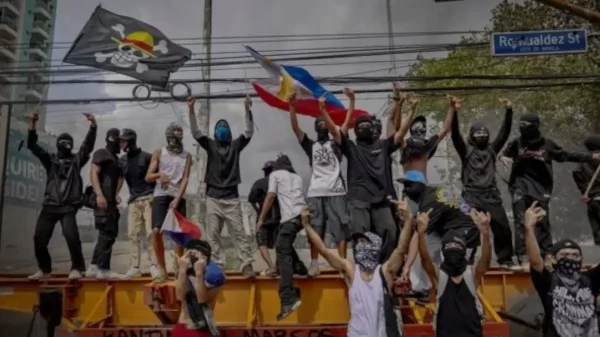
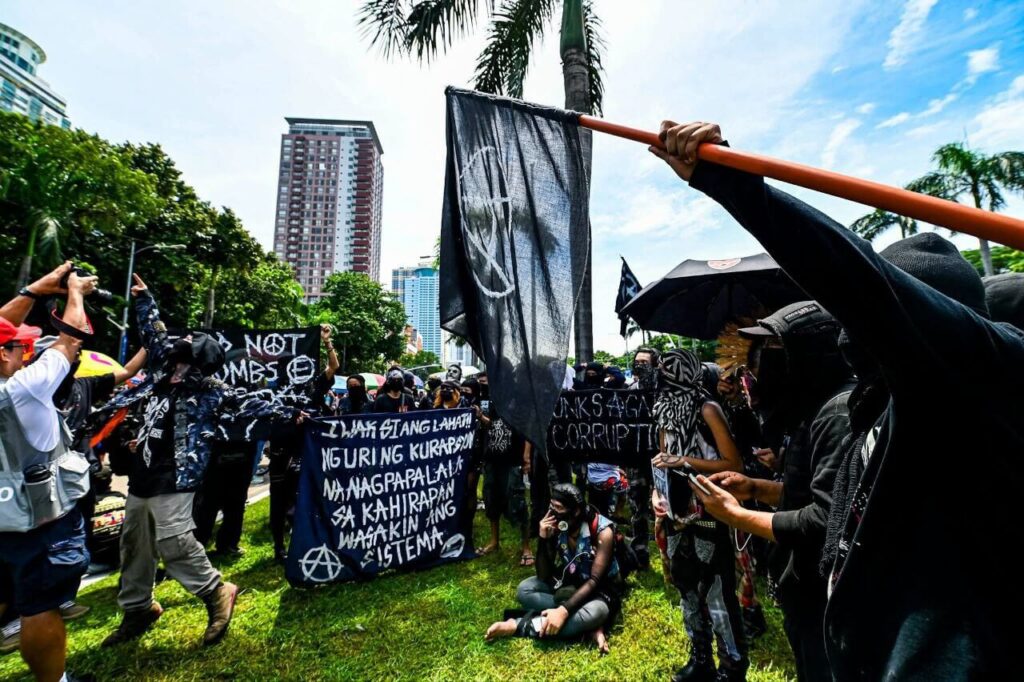
One location is in EDSA Shrine mainly organized by the liberals, RJ Rejectionist Marxist-Lenninist, elite/middle class, church-people and the other one is in Luneta composed of RA Re-Affirmist (Maoist-Marxist), anarchist, „lumpen” (marginalized, excluded social group), diverse individuals, and groups.
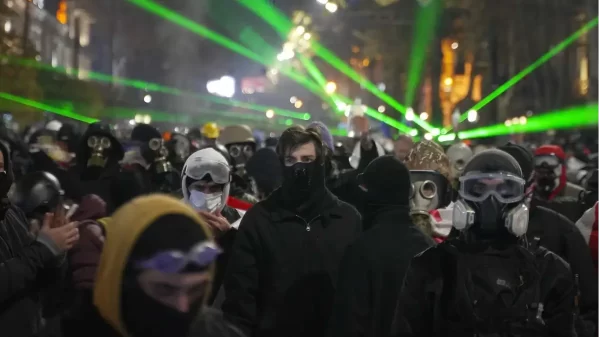
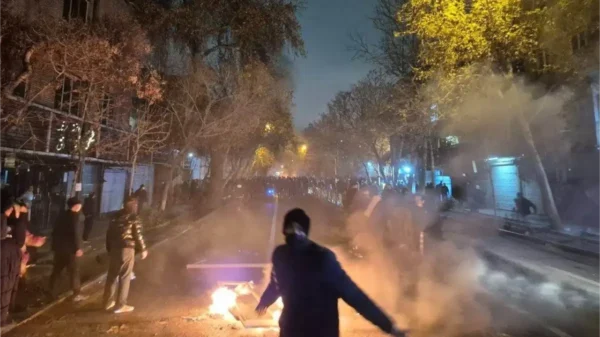
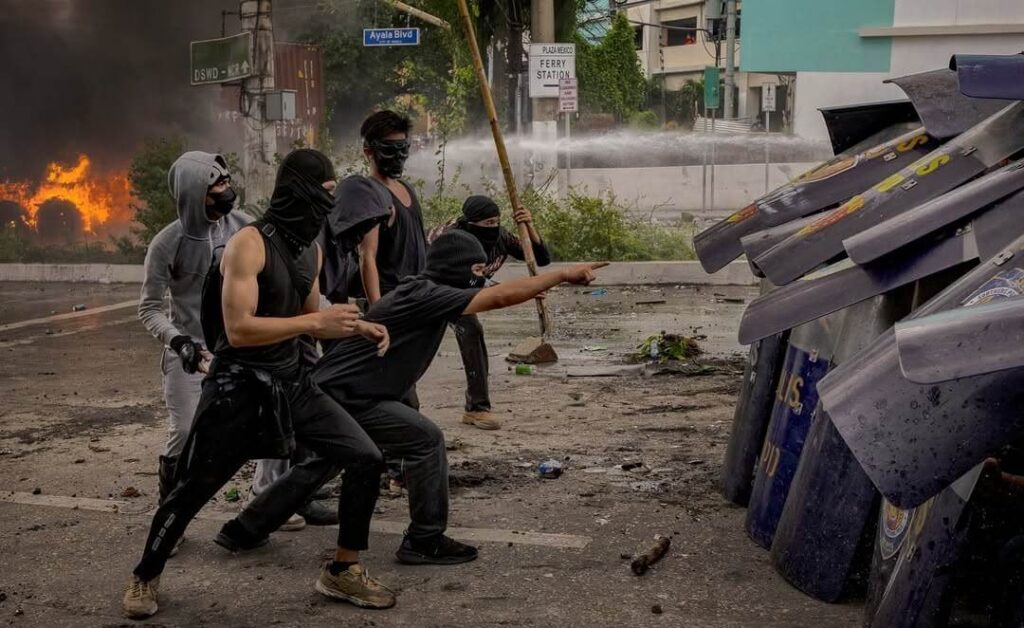
After Luneta, some individuals decided to march going to the gate of presidential palace in Mendiola, the riots started in Ayala Bridge, but this was instigated primarily by the police throwing metal blocks against the protestor, also blocking to cross the bridge then the people scattered and eventually managed to get to Mendiola as the protester are prepared, the street fight with the police happened till nighttime.
Unfortunately two were killed. One teenager was stab by a drunk guy trying to protect the motorbike of the police from burning and the other was one gun down by the police, but he is not part of the demonstration, he is crossing the streets to ride a jeepney going home.
There were more than 250 arrest in that demonstration and unaccounted numbers of casualties.
6) How has the government responded to the ongoing protests? I know that a large part of Philippine society is afraid to get involved. Have you experienced any repression from the state?
There is a crackdown now against activist by the government, but the momentum is high that everyone is going out to protest every day in different places and in different form like our local network Pasig Laban sa Korapsyon, we organized an anti-corruption concert in our public park this coming November 8, 2025.
As of this moment, I never yet experienced any repression coming from the government and we are expecting it in the coming days or months.
7) I know that the anarchist movement is quite strong in your southern neighbor, Indonesia. Do you have contact with them and support each other?
Yes, our anarchist comrades in Indonesia are quite strong compare to us. Since
2006, we have closed ties between the anti-authoritarian/anarchist in Indonesia
particularly in Bandung, Bali, Jogjakarta, Jakarta and Makassar in Indonesia.
8) Could you tell me a bit about the New People’s Army — the communist army operating in the Philippines? Who are they, and what is the position of the anarchist movement in the Philippines toward them?
New Peoples Army is a Maoist-Marxist arm wing of the Communist Party of the
Philippines/ National Democratic Front. Honestly, we don’t have a good relationship with them and we tag then as authoritarian-left.
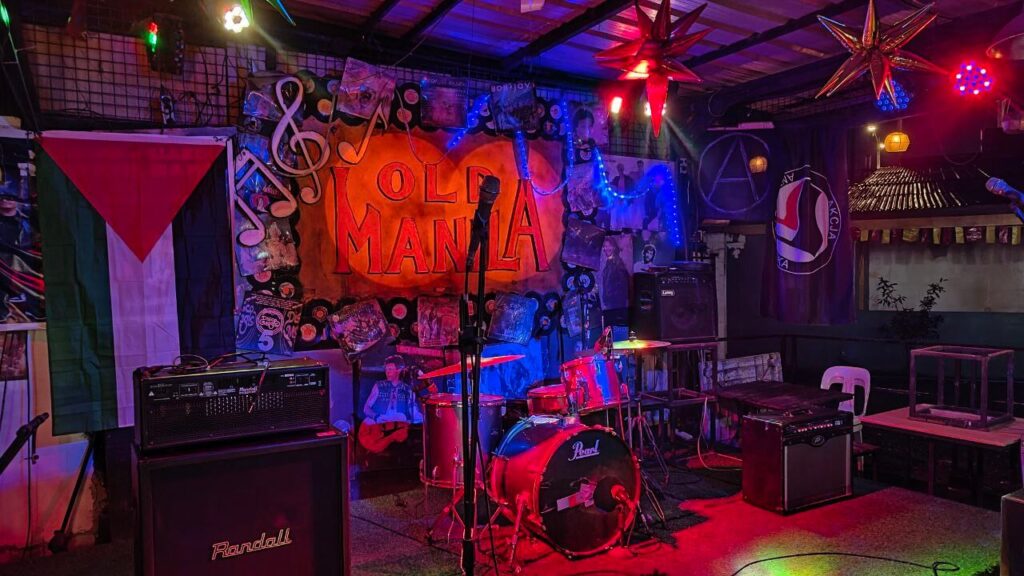
9) At the recent benefit concert you organized, I saw a Palestinian flag hanging on stage. Could you tell me more about that concert — what the collected funds were intended for — and also about the broader issue of solidarity? It’s interesting that anarchists around the world, even as far away as the Philippines, express solidarity with the people of Palestine. Is this issue important to you?
Oh last time were you here, that DIY concert is a fundraising effort to help out rebuild the Tarima Flying House an squat autonomous community space run by Non Collective who happened to be caught on fire by a faulty electrical wiring.
What I can say is that solidarity has no boundaries.
10) I’d also like to ask you about your outlook on the future. Do you see hope within Philippine society? What plans do you, as anarchists in the Philippines, have for the future? While traveling through the countryside, I saw many people living outside the urban system, supporting one another and practicing certain anarchist ideals — often without realizing that what they’re doing is, in fact, anarchism in practice.
I can only say for Etniko Bandido Infoshop plans, we are asking for financial support to buy a land for our land regeneration/permaculture project in the future. We are planning to move in the countryside and continue our project and initiatives to connect ourselves and make relationship with the peasant community and the land itself.
We stayed in the cities for more than 15 years and we think that its time for us to find a place bigger that we can do more practical stuffs like permaculture and share this with the community.
11) Do you have any message you’d like to share with the Polish anarchist and anti-fascist movement?
To our comrades in Poland and around the world. Solidarity is our weapon. Let’s
make impossible things, possible. Our hopes and desire to live freely is in our own
hands. Let’s take down this State and Capital and create a world with compassion,
empathy and love.
In continuous rebellion.
Cris Bandido